
Pals rice is one of Empordà's gastronomic prides. Cultivated since the Middle Ages in the wet plains of the Baix Ter, it has benefited since 2019 from a Protected Geographical Indication that guarantees its origin and quality. From Pals and Aparthotel Arenal, the rice paddies immediately surround the village and offer a landscape unique in Catalonia. Here is a complete guide to understand, visit and taste this exceptional rice.
A thousand-year history in the Baix Ter
Rice has been cultivated in Pals since at least the 9th century, when monastic documents already mention paddies in the region. The Arabs introduced cultivation to Catalonia and the low, wet lands of the Ter delta proved ideal. The village of Pals quickly became one of the main rice-growing centers of the Iberian Peninsula.
In the 19th century, rice paddies were drained to fight malaria. Cultivation almost completely disappeared for a hundred years. In the 1960s, a few local families revived production with modern techniques and adapted varieties. Today, about 1000 hectares are cultivated around Pals, Torroella de Montgrí, Ullastret and Sant Pere Pescador.
The PGI Arròs de Pals was obtained in 2019 after more than ten years of procedures. It guarantees that the rice comes from a delimited zone, uses authorized varieties and respects a precise specification. The label protects local producers and ensures traceability for consumers.
Varieties cultivated under the PGI
Three main varieties are authorized by the Arròs de Pals PGI:
Bahia: medium-grain variety, round and absorbent. It is the most cultivated, ideal for paella and pot rice dishes. Good cooking hold, absorbs broth aromas well.
Bomba: short grain, very absorbent, does not stick. Reference variety for traditional paellas. More expensive because yield is low (half that of Bahia), but superior gustatory quality. The grain swells without breaking.
Nembo: more recent variety, long grain, less absorbent. Used for rice salads, pilafs and some desserts. Less typical of local cuisine but appreciated for versatility.
Some producers also cultivate ancient varieties such as Montsianell or Marisma, outside the PGI but of heritage interest. Black rice (arròs negre) is not a variety but a dish colored with squid ink.
The paddy landscape around Pals
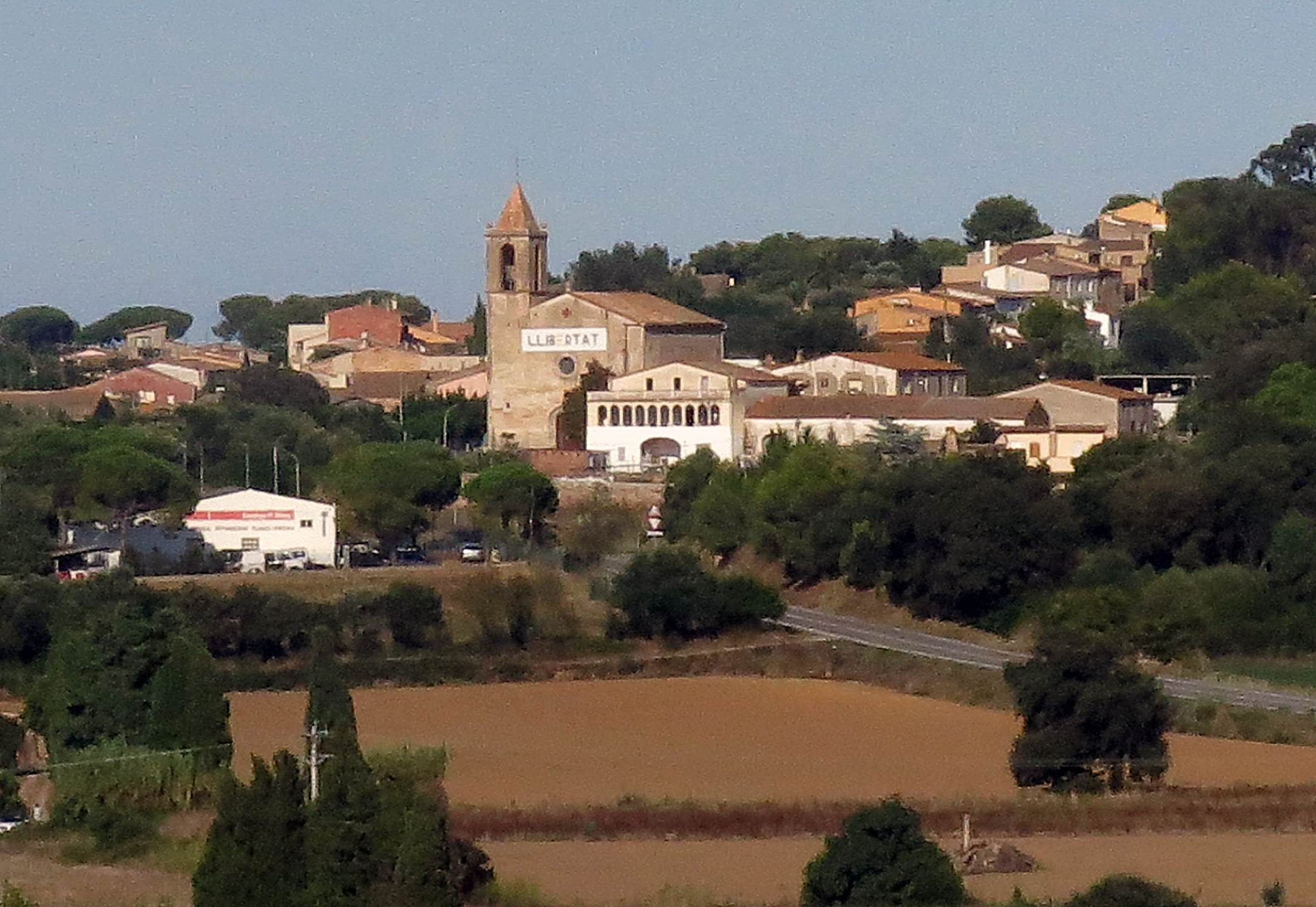
Rice paddies surround the village of Pals for several kilometers. The landscape changes radically through the seasons, making it a unique photographic and naturalist destination.
From May to June, the fields are flooded and reflect the sky. Seedlings appear then gradually turn green. Herons, egrets, flamingos and other migratory birds settle in the canals. The Montgrí massif and Pals bell tower stand out above the water surfaces.
From July to August, rice paddies become dense green meadows. Bird activity remains intense. Temperatures are high but paths between plots offer pleasant walks early morning or late afternoon.
In September and October, ears ripen and fields turn golden yellow. Harvest starts in late September and lasts about a month. Combine harvesters work early morning and evening to avoid heat. The spectacle is striking and attracts many photographers.
Visiting paddies and mills
Several experiences allow discovering the world of Pals rice:
Molí de Pals: historic village mill, with a small ethnographic museum and shop. Free or guided visit on reservation. Variety tasting and explanation of the transformation process.
Arrossaires del Delta: local cooperative offering guided tours of paddies in English and Catalan. Duration 2 hours, with tractor ride through fields and final tasting. Online reservation.
Amphibian and Reptile Recovery Centre: near Pals, this naturalist center focuses on paddy fauna (frogs, snakes, turtles). Interesting as a complement to an agricultural visit, especially with children.
Parc Natural del Montgrí, les Illes Medes i el Baix Ter: encompasses part of the paddies and offers marked pedestrian trails. The Pals tourist office provides free maps. Ideal for discovering on foot or by bike.
Buying Pals rice PGI
Several points of sale allow bringing home authentic PGI rice:
Directly from producers: Mas Pla, Molí de Pals, Arrossaires del Delta. Producer prices, often with free tasting. Packages from 1 kg starting at 5 euros for Bahia, 8 to 10 euros for Bomba.
Weekly Pals market (Tuesday morning): several local producer stands. Good opportunity to compare varieties and chat with farmers.
Fine grocery Vins i Licors Grau in La Bisbal d'Empordà: complete PGI rice selection, sometimes with gift packaging. Slightly higher prices but very wide choice.
Local supermarkets: Esclat and BonPreu in the region offer Pals rice PGI at competitive prices, but selection is more limited.
To store, keep in a dry and cool place, away from light. Storage life: 2 years for unopened rice, 6 months after opening. Do not freeze.
Traditional recipes based on Pals rice
Local cuisine uses rice in several emblematic Empordà preparations:
Arròs a la cassola: rice simmered in a clay pot with meats, chicken, rabbit, botifarra sausage and vegetables. Traditional Sunday dish, close to paella but wetter and served with a ladle.
Arròs negre: black rice with squid ink, with squid or cuttlefish. Served with allioli. Very popular dish in Costa Brava restaurants.
Arròs a banda: rice cooked in fish broth, served separately from the fish. Accompanied by allioli. Typical fishermen's dish.
Paella marinera: fish and seafood paella. Served with lemon quarter and allioli. Less traditional in Empordà than in the south, but present in all tourist restaurants.
Arròs caldós: brothy rice, served with lots of broth. With monkfish, shrimp or lobster. Convivial winter dish.
To prepare these recipes at Aparthotel Arenal, the studio with kitchen is ideal. Good Pals Bomba rice, a good broth and a terracotta pot (cassola) are enough.
Best restaurants to taste Pals rice
Some reference addresses around Pals:
Can Tapes: traditional restaurant in Pals center, specializing in pot rice. Remarkable arròs a la cassola, Empordà wine list. Medium prices.
Arc Restaurant: in Ullastret, creative cuisine that revisits rice classics. Rice tasting menu in season. Reservation recommended.
Restaurant La Costa: on Playa de Pals, paellas and rice marinera facing the sea. Relaxed atmosphere, perfect for a family lunch.
Vicus Restaurant: in Pals, one Michelin star, gastronomic cuisine integrating local rice in refined creations. For a special occasion.
Sa Punta: in Begur, also Michelin-starred, offers an anthological arròs melós (creamy rice). Exceptional sea view.
Restaurants labeled Arròs de Pals PGI display the logo at the entrance. More than 30 establishments in the region are committed, with a dedicated menu in high season.
The Pals rice festival
Each year in September, Pals organizes the Jornades Gastronòmiques de l'Arròs. For three weeks, restaurants offer set-price menus dedicated to rice (around 30-40 euros). Cooking demonstrations, paddy visits and musical animations complete the program.
The period coincides with the harvest, allowing observation of agricultural work in parallel. Attendance remains reasonable, the weather is ideal and accommodation rates are in low season.
The feast of Santa Caterina, end of November, traditionally marks the end of rice work. Village procession, community meal based on new rice and fireworks. Popular and authentic moment, little known to tourists.
Where to stay to explore the world of rice
Aparthotel Arenal in Pals is an ideal base to discover Empordà rice. The five studios have an equipped kitchen allowing cooking of rice bought directly from producers. The village and paddies are a few minutes walk or bike ride away.
Immediate proximity to the fields allows attending the harvest on foot, observing birds early morning or photographing evening reflections without taking the car. The Costa Brava beaches and medieval villages (Peratallada, Monells) complete the gastronomic stay.
Frequently asked questions about Pals rice PGI
What is the difference between Pals rice and Valencia rice?
Valencia rice is the most famous in Spain, with production ten times higher. Pals rice is more artisanal, cultivated in a smaller natural wetland, with similar varieties but more traditional methods. Qualitatively the two PGIs are comparable, Pals benefits from a gentler Mediterranean maritime climate.
Which rice for a paella?
Pals Bomba is the absolute reference for a traditional paella. It absorbs three times its volume of broth without breaking. Otherwise Bahia gives good results at a more accessible price. Avoid basmati or long-grain rice for this type of dish.
Can paddies be visited year-round?
Yes, each season offers a different spectacle. Spring for flooded fields and migratory birds, summer for greenery and walks, autumn for harvest and golden colors, winter for calm and wintering birds. Paths remain accessible, except during heavy harvest work (limit circulation in September).
Are there guided tours in English?
Yes, Arrossaires del Delta offers tours in English on reservation. The Pals tourist office also provides English documents. For more specialized private tours, some independent Costa Brava guides are bilingual.
Is Pals rice organic?
The PGI does not require organic farming. About 20 percent of producers are certified organic, with a complementary label. However Empordà paddies use few chemical inputs and as the area is classified as a natural park, practices are strictly controlled.
How much does good Pals rice cost?
A 1 kg Bahia package costs 5 to 7 euros from the producer, 7 to 10 euros in stores. Bomba costs 8 to 12 euros per kilo. Premium batches (small productions, ancient varieties) can reach 15 euros. For a gastronomic stay, count 2 to 3 kg to bring back.
Can you learn to cook rice in Pals?
Several cooking schools offer paella and pot rice classes around Pals. Count 80 to 150 euros per person for a 3 to 4 hour session, ingredients and tasting included. Some chefs offer private home classes in Aparthotel Arenal studios on request.
Conclusion
Pals rice PGI is much more than an agricultural product: it is a living heritage, a landscape, a culinary tradition and a local pride. Discovering it from Aparthotel Arenal combines gastronomy, nature and relaxation a few steps from the paddies. The equipped studio allows cooking rice bought from producers, to extend the daily experience.
Book your studio at Aparthotel Arenal for your immersion in rice country. To complete the stay, see our Empordà gastronomy guide, our complete Pals guide and our article on DO Empordà and its wineries to pair your rice with the best local wines.